
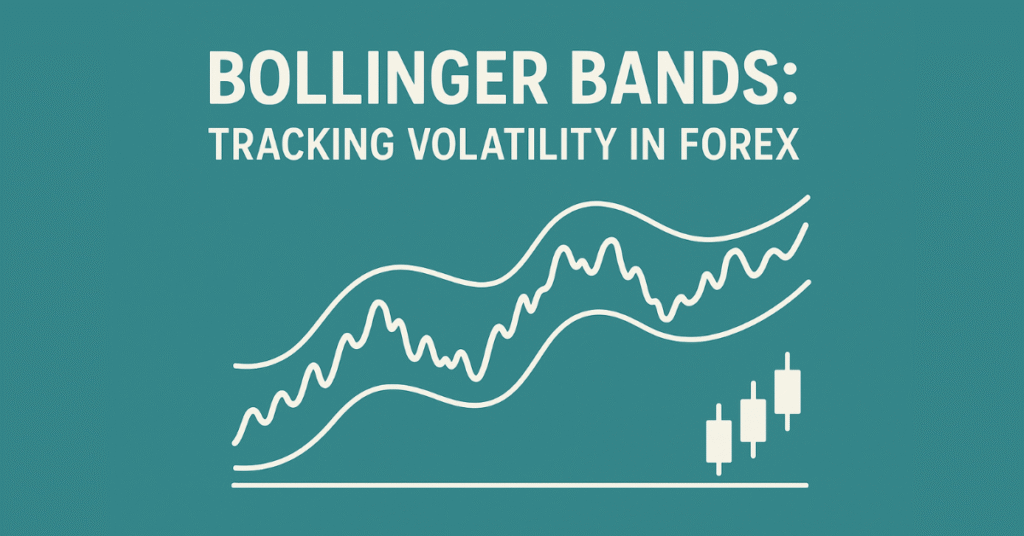
Volatility is one of the most critical aspects of Forex trading, influencing how traders enter and exit positions, manage risk, and identify profitable opportunities. Among the many tools available, Bollinger Bands forex stands out as a reliable indicator for measuring market volatility and generating actionable trading signals. This article explores the mechanics of Bollinger Bands, how traders can use them, and ways brokers can educate clients about this important tool. It also highlights copy volatility indicators and their role in a comprehensive trading strategy.
What Are Bollinger Bands?
Bollinger Bands are a type of technical analysis tool developed by John Bollinger in the 1980s. They consist of a moving average line flanked by two bands that represent standard deviations of price data. Bollinger Bands are a type of technical analysis tool developed by John Bollinger in the 1980s. They consist of a moving average line flanked by two bands that represent standard deviations of price data, a popular method among forex indicators.These bands expand and contract depending on market volatility, providing a visual representation of price movement extremes.
The components of Bollinger Bands are:
- Middle Band: Typically a 20-period simple moving average (SMA) of the asset’s price.
- Upper Band: Plotted a set number of standard deviations above the middle band.
- Lower Band: Plotted the same number of standard deviations below the middle band.
Bollinger Bands help traders identify periods of high and low volatility, recognize potential breakout points, and generate trading signals based on price interactions with the bands.
How Bollinger Bands Measure Volatility
The key feature of Bollinger Bands is their dynamic response to market volatility. When the market is calm, the bands contract, forming a narrow range known as a “squeeze.” During periods of increased volatility, the bands widen, indicating that the market is moving strongly in one direction.
Identifying Volatility Conditions
- Squeeze: Narrow bands suggest low volatility and potential for an upcoming breakout. Traders often watch for price to move sharply outside the bands as a signal of the beginning of a new trend.
- Expansion: Wide bands indicate high volatility, showing that price has experienced significant movement. Expansion can signal trend continuation or overbought/oversold conditions.
By tracking these patterns, traders can make informed decisions on position sizing, entry points, and stop-loss placement.
Using Bollinger Bands for Trading Signals
Bollinger Bands are versatile and can be used in several ways to generate actionable trading signals.
1. Price Touches the Bands
- Buy Signal: When the price touches the lower band and starts reversing upward, it may indicate a potential buying opportunity.
- Sell Signal: When the price hits the upper band and reverses downward, it may signal a selling opportunity.
2. Bollinger Band Squeeze
The squeeze is one of the most widely used signals in Forex trading, relying on trading tools like Bollinger Bands to prepare for a strong breakout.It occurs when the bands contract tightly around the moving average, suggesting that a period of low volatility may be followed by a strong breakout. Traders can prepare to enter trades in the direction of the breakout.
3. Band Walking
When the price moves along the upper or lower band without crossing the middle band, it indicates strong momentum. Traders can use this pattern to ride a trend until a reversal or consolidation appears.
4. Combination with Other Indicators
Bollinger Bands work effectively with other tools such as RSI, MACD, and stochastic oscillators. For example, if the price touches the lower band and RSI indicates oversold conditions, it strengthens the buying signal.
Copy Volatility Indicators and Their Role
Copy volatility indicators are specialized tools that help traders replicate volatility-based strategies across different accounts or instruments. When combined with Bollinger Bands, these indicators allow traders to implement strategies automatically, monitor risk exposure, and adapt to changing market conditions.
Benefits of Using Copy Volatility Indicators
- Standardize execution across multiple accounts or portfolios.
- Automate responses to volatility signals, reducing emotional trading.
- Track high-probability trade setups derived from Bollinger Band interactions.
- Help brokers and clients manage risk management in forex more effectively.
By using these indicators, both retail traders and professionals can maintain disciplined strategies while keeping exposure in line with risk tolerance, often supported by risk calculators to ensure safe position sizing
Risk Management with Bollinger Bands
Bollinger Bands are not only a signal tool but also an essential part of trading risk strategies. Proper use allows traders to manage trading losses and limit exposure during volatile periods.
Position Sizing Based on Band Width
- Narrow Bands: Reduced volatility suggests smaller positions to avoid overexposure during uncertain breakouts.
- Wide Bands: High volatility allows for larger positions if supported by risk management rules.
Stop-Loss Placement
- Traders often place stop-loss orders outside the opposite band to allow for price fluctuations without exiting prematurely. These strategies are fundamental in utilizing forex indicators like Bollinger Bands for effective risk management.
- .
- Using band width in conjunction with position sizing ensures consistent risk control.
Trade Timing
- Avoid entering trades solely during periods of extreme volatility unless accompanied by confirmation signals.
- Band squeezes can help time entries to capitalize on impending breakouts while minimizing unnecessary exposure.
Educating Clients About Bollinger Bands
For brokers, teaching clients how to use Bollinger Bands effectively is critical. It ensures that clients understand the relationship between volatility, risk, and trade execution.
Key Points to Cover in Client Education
- How Bollinger Bands measure volatility dynamically.
- Interpreting squeezes, expansions, and band walks.
- Combining Bollinger Bands with other technical indicators for stronger signals.
- Integrating position sizing and stop-loss placement for risk management.
- Understanding market conditions where Bollinger Bands are most effective.
Interactive tutorials, webinars, and in-platform simulations can enhance comprehension and build confidence among clients, especially those new to Forex trading.
Practical Examples of Bollinger Band Strategies
Example 1: Trading the Squeeze
- Identify a period where Bollinger Bands are narrow.
- Set alerts for when the price breaks above the upper band or below the lower band.
- Enter trades in the direction of the breakout with appropriate position sizing.
- Use stop-loss orders outside the band to manage risk.
Example 2: Riding a Trend with Band Walking
- Spot a trend where the price consistently touches the upper band.
- Confirm momentum with an additional indicator such as MACD.
- Enter trades in the trend direction while monitoring for potential reversals.
- Adjust position size according to volatility and risk tolerance.
Example 3: Combining with RSI for Confirmation
- Wait for the price to touch the lower band.
- Check if RSI indicates oversold conditions.
- Enter a long position with calculated risk.
- Set take-profit targets near the middle or upper band for partial exits.
These examples illustrate how bollinger bands forex can be used in conjunction with copy volatility indicators to generate trading signals while managing risk effectively.
Common Mistakes When Using Bollinger Bands
While Bollinger Bands are powerful, traders often misuse them, leading to errors:
- Ignoring Trend Direction: Using band touches without considering overall market trend can result in false signals.
- Overtrading During High Volatility: Large position sizes during band expansions without proper stop-loss placement can lead to significant losses.
- Relying Solely on Bands: Bollinger Bands should be combined with other indicators or analysis methods for more reliable signals.
- Misplacing Stop-Loss Orders: Placing stops too close to the bands can lead to premature exits; too far increases potential losses.
Proper education and guidance from brokers can help clients avoid these pitfalls and apply the tool effectively.
Integrating Bollinger Bands into Social and Copy Trading
Bollinger Bands can also be integrated into social and copy trading platforms. This allows clients to follow experienced traders who base their strategies on volatility analysis, leveraging the best forex indicators for more consistent trade execution.
Benefits for clients and brokers:
- Provides a transparent method for replicating proven volatility-based strategies.
- Helps beginners understand market dynamics through observation of band-based trades.
- Supports risk management by automatically adjusting positions according to strategy parameters.
- Encourages consistent execution of rules-based trading strategies.
Integration of Bollinger Bands into copy trading strategies makes them accessible to both novices and experienced clients, enhancing educational value and profitability potential.
Best Practices for Using Bollinger Bands
To maximize the effectiveness of Bollinger Bands in Forex:
- Combine them with trend-following or momentum indicators for confirmation.
- Use them in multiple timeframes to validate signals.
- Adapt position sizing and stop-loss placement based on band width.
- Monitor volatility to adjust strategy dynamically.
- Educate clients on reading the bands, understanding squeezes, and avoiding emotional trading.
By following these best practices, traders can generate more reliable trading signals while managing risk efficiently.
The Role of Brokers in Teaching Volatility Indicators
Brokers play a vital role in helping clients understand risk management in Forex using tools like Bollinger Bands. A strong educational framework enhances client trust and reduces the likelihood of significant losses.
Brokerage educational initiatives:
- Interactive webinars on volatility and band strategies.
- In-platform tutorials showing real-time price interactions with bands.
- Simulation tools for clients to practice trades with virtual funds.
- Step-by-step guides on combining Bollinger Bands with other copy volatility indicators.
- Real-time alerts to demonstrate band squeeze or expansion signals.
Educating clients not only improves trading outcomes but also strengthens long-term client retention.
Conclusion
Bollinger Bands are a versatile and powerful tool for measuring market volatility and generating actionable trading signals. When applied correctly, they allow traders to identify breakout opportunities, ride trends, and manage risk effectively. By integrating copy volatility indicators and emphasizing proper risk management, brokers can help clients navigate Forex markets with confidence.
Educating clients on Bollinger Bands, including the interpretation of squeezes, expansions, and band walking, ensures that they understand both market mechanics and risk control. Combined with strong position sizing and stop-loss management, Bollinger Bands provide traders with a structured and disciplined approach to Forex trading.
Brokers who implement comprehensive education around Bollinger Bands can increase client engagement, reduce losses, and foster responsible trading practices while making volatility indicators accessible to traders of all levels.