
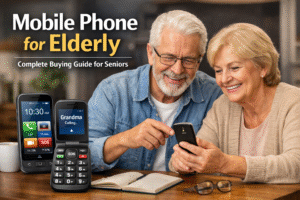
A Complete Guide to Choosing the Right Device
Technology should make life easier, not more complicated. For seniors, staying connected with family, accessing emergency services, and enjoying simple digital features can greatly improve daily life. That is why choosing the right mobile phone for elderly users is so important.
Unlike standard smartphones filled with complex menus and advanced features, phones designed for seniors focus on clarity, safety, and ease of use. Large buttons, louder speakers, and simple interfaces are not luxury extras; they are essential tools that support independence and confidence.
This guide will help you understand what to look for, which features matter most, and how to select a device that truly meets the needs of elderly users.
Why Seniors Need Specialized Mobile Phones
As we age, certain physical and cognitive changes naturally occur. Vision may weaken, hearing might decline, and small touchscreens can become difficult to operate. Standard smartphones are often built with younger users in mind, prioritizing sleek design over usability.
A mobile phone for elderly individuals addresses these challenges directly. Larger text, clear icons, and simplified menus reduce frustration. Stronger speakers and hearing-aid compatibility make communication easier. Emergency buttons add peace of mind for both seniors and their families.
More importantly, the right phone restores independence. It allows seniors to call loved ones, send messages, and access essential services without relying heavily on others.
Key Features to Look For
-
Large, easy-to-read display with adjustable font size
-
Physical buttons or simplified touchscreen interface
-
Loud and clear audio output
-
Dedicated emergency or SOS button
-
Long battery life
Big Buttons vs Touchscreen: Which Is Better?
Many seniors prefer traditional keypad phones with large physical buttons. Pressing a real button often feels more reliable than tapping a small touchscreen.
However, some elderly users enjoy smartphones, especially if they want video calls or internet browsing. In such cases, a simplified smartphone interface can work well.
Brands like Doro specialize in senior-friendly devices One Million Perfume that combine modern technology with accessible design. These phones often include simplified menus and physical emergency buttons.
Ultimately, the best choice depends on the individual’s comfort level with technology.
The Importance of Emergency Features
Safety is one of the main reasons families invest in a senior-friendly phone. Many models include an SOS button that automatically calls pre-selected contacts when pressed.
Some smartphones, including certain models from Samsung and Apple, also offer built-in emergency call functions.
A mobile phone for elderly users with GPS tracking can provide additional reassurance. In case of confusion or disorientation, family members can quickly locate their loved one.
Battery Life and Charging Simplicity
Frequent charging can be frustrating, especially for seniors who may forget to plug in their device daily. That is why battery life is an important consideration.
Many senior phones are designed to last several days on a single charge. Some even come with charging docks, allowing the user to place the phone in a stand instead of connecting small cables.
A reliable mobile phone for elderly individuals should reduce maintenance stress and remain dependable throughout the day.
Hearing Aid Compatibility
Hearing challenges are common among seniors. A good phone should support hearing aids and offer adjustable volume levels.
Clear sound quality ensures conversations remain comfortable and frustration-free. Some devices even amplify sound beyond standard smartphone limits, making them ideal for users with moderate hearing loss.
Choosing a mobile phone for elderly users with strong audio clarity enhances communication and confidence.
Smartphones for Tech-Savvy Seniors
Not all seniors prefer simple flip phones. Many enjoy using messaging apps, social media, and video calls to stay connected with grandchildren.
In such cases, a simplified smartphone may be the best option. Devices running user-friendly interfaces can be customized with large icons and minimal apps.
For example, entry-level Android phones from Nokia offer straightforward menus and reliable performance. With proper setup, they can function as an excellent mobile phone for elderly individuals who want both simplicity and modern features.
Cost Considerations
Budget plays an important role when choosing a device. Basic senior phones are often affordable, while smartphones can vary widely in price.
It is not necessary to purchase the most expensive device. Focus instead on durability, ease of use, and essential features.
A thoughtfully selected mobile phone for elderly users can provide long-term value without unnecessary complexity.
How to Set Up a Phone for Seniors
Even the most user-friendly device benefits from careful setup. Adjust the font size, increase brightness, and remove unnecessary apps before handing it over.
Add important contacts to speed dial. Label contacts clearly, such as “Son,” “Doctor,” or “Emergency.”
Taking time to personalize the mobile phone for elderly individuals ensures smoother adoption and greater comfort.
Emotional Benefits of Staying Connected
Beyond practicality, mobile phones offer emotional support. A quick call from a grandchild or a simple message can brighten an entire day.
Isolation is a common challenge for seniors, especially those living alone. Having a reliable communication tool helps reduce loneliness and strengthen family bonds.
Common Mistakes to Avoid
When buying a phone for a senior, avoid focusing only on brand popularity. A sleek design may look impressive but could be difficult to operate.
Another common mistake is skipping hands-on testing. Whenever possible, let the senior try the phone before purchasing. Comfort and familiarity are key.
Finally, do not overload the device with unnecessary apps. Keeping the interface simple ensures the mobile phone for elderly remains easy to navigate.
FAQs
1. What is the best type of phone for seniors?
The best option depends on individual needs. Some prefer basic flip phones, while others enjoy simplified smartphones.
2. Are smartphones too complicated for elderly users?
Not necessarily. With proper setup and simplified menus, smartphones can be easy to use.
3. Do senior phones have internet access?
Some basic models do not, but many smartphones designed for seniors include internet connectivity.
4. Is an emergency button necessary?
While not mandatory, an SOS feature provides additional safety and peace of mind.
5. How much should I spend on a phone for a senior?
You can find reliable options at various price points. Focus on usability and safety rather than expensive features.
Final Thoughts
Choosing the right mobile phone for elderly users is about understanding their daily needs and comfort level with technology. Simplicity, clarity, and safety should guide every decision.
From large buttons and loud speakers to emergency features and long battery life, the right phone can transform communication into a stress-free experience. It empowers seniors to stay connected, maintain independence, and feel secure.
Technology should never feel intimidating. With thoughtful selection and proper setup, a mobile phone becomes a helpful companion that supports confidence, connection, and peace of mind every single day.